

No products in the cart.


Lace Fabric
Eyelet Lace Fabric
Sold as full-width yardage, eyelet lace fabric gives designers a complete panel of broderie anglaise cutwork embroidery on a woven cotton base to cut garments directly from, rather than working with narrower trims. Its light, breathable, openwork character suits bridal separates, christening gowns, children’s wear, lingerie, summer dresses and home sewing projects such as table linens.
AnBella Designs sells eyelet lace fabric by the metre, sourced as genuine European deadstock — mill-end and overstock rolls rescued rather than newly commissioned. Designers, ateliers, bridal makers and home sewists can pair it with matching eyelet edgings, insertion lace and fagotting cut from the same runs. As with all our deadstock, once a particular eyelet lace fabric print sells through, it will not be rewoven or restocked in the same colourway.

Deadstock Fabrics
24.49 € excl. VAT

Deadstock Fabrics
Price range: 18.50 € through 23.90 € excl. VAT


Deadstock Fabrics
19.90 € excl. VAT

Deadstock Fabrics
Price range: 21.90 € through 26.90 € excl. VAT


Deadstock Fabrics
11.25 € excl. VAT

Deadstock Fabrics
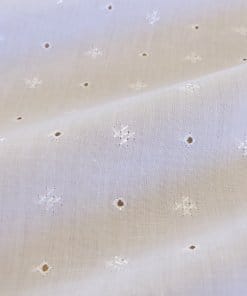
Eyelet Lace /English Lace Fabric, with a dotted print – 150cm
15.00 € excl. VAT

Deadstock Fabrics
16.40 € excl. VAT


Deadstock Fabrics
17.50 € excl. VAT

15.29 € excl. VAT

Deadstock Fabrics
13.17 € excl. VAT

Deadstock Fabrics
14.18 € excl. VAT


Deadstock Fabrics
15.50 € excl. VAT


Deadstock Fabrics
15.84 € excl. VAT


Deadstock Fabrics
14.99 € excl. VAT


Deadstock Fabrics
15.24 € excl. VAT

Deadstock Fabrics
15.38 € excl. VAT

Deadstock Fabrics
14.23 € excl. VAT


Deadstock Fabrics
17.26 € excl. VAT
Deadstock Fabrics
13.28 € excl. VAT

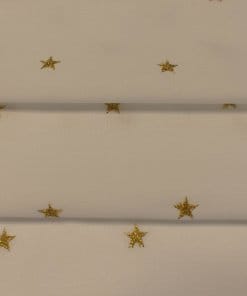
Deadstock Fabrics
12.17 € excl. VAT

11.50 € excl. VAT
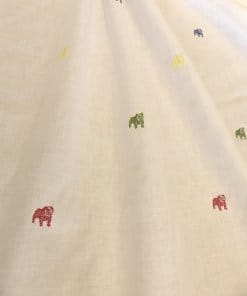
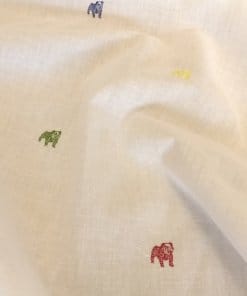
Deadstock Fabrics
White/Red/Green Cotton Eyelet Lace with Rayon embroidered – 130cm
12.46 € excl. VAT
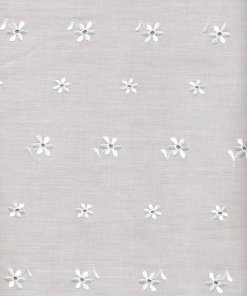
Deadstock Fabrics
White Eyelet Lace full width fabric, with Rayon embroidered – 150cm
11.40 € excl. VAT

Deadstock Fabrics
White Eyelet Lace full width fabric, with Rayon embroidered – 150cm
30.64 € excl. VAT
Eyelet Lace Fabric is characterized by patterns composed of round or oval holes, called eyelets, which are cut out of the fabric, then bound with overcast or buttonhole stitches. The patterns, often depicting flowers, leaves, vines, or stems, are further delineated by simple embroidery stitches made on the surrounding material. Later broderie anglaise also featured small patterns worked in satin stitch. In the Victorian era, broderie anglaise typically had open areas in many sizes. Transfers were used first to lay out the design on the material. In some cases, the holes were punched out with an embroidery stiletto before finishing the edge; in other cases, the fabric was embroidered first, and the hole was cut afterwards, with scissors. Beginning in the 1870s, the designs and techniques of broderie anglaise could be copied by the Swiss hand-embroidery machine. Today, most broderie anglaise is created by machine.